A life seen through family lines
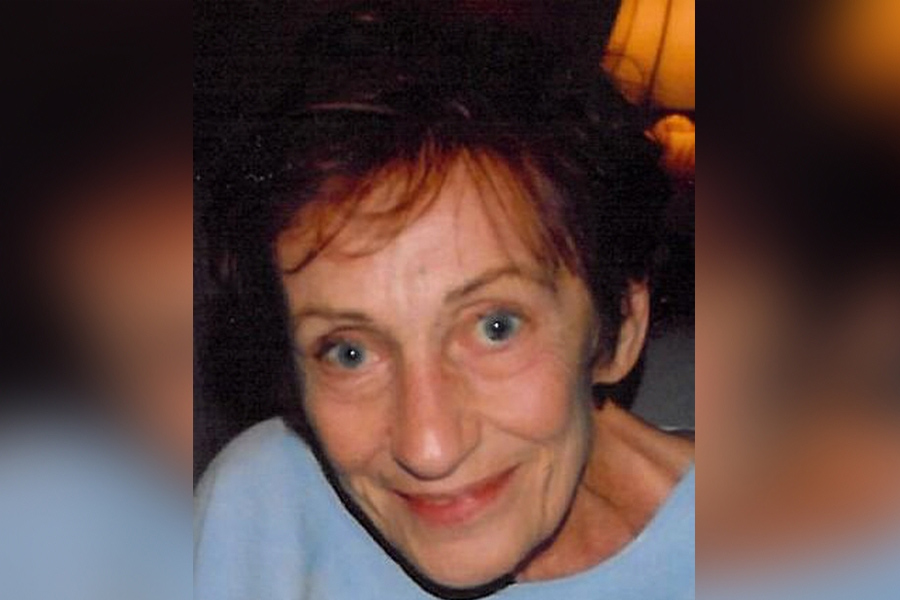
When I see Patricia A. Steitz, I sense a quiet but powerful presence. Family, dates, names, and records that bind a life together tell her tale. Born in Buffalo, New York, on November 16, 1936, she died on December 24, 2009, at 73. Over the middle decades of the 20th century and into the early 21st, dwellings changed, families grew, and generations spread out like a living tree.
Patricia A. Steitz is remembered as Patricia A. Fichtner following marriage, and family records use that name. I see a woman at the center of a vast family circle best. She was married to William Frederick Fichtner and had five children. She is most clearly identified in the public record, which is often enough. Headlines describe some life. Others use descendants.
The family structure around Patricia A. Steitz
Patricia’s family story is rich with names, and I find that names matter because they turn a summary into a human map. She was married to William Frederick Fichtner, and together they had a family that included one son and four daughters. Their son was William E. Fichtner, better known as William Fichtner, the actor. Their daughters were Margaret L. Fichtner, Patricia A. Jarmuz, Mary H. Barresi, and Pamela R. Fichtner.
That set of names creates a portrait of a household that spread into a wider network of spouses, children, and grandchildren. It is a family that multiplied across generations, the way one flame can light many candles without losing its own shape.
Here is a compact view of the immediate family:
| Relationship | Name |
|---|---|
| Husband | William Frederick Fichtner |
| Son | William E. Fichtner |
| Daughter | Margaret L. Fichtner |
| Daughter | Patricia A. Jarmuz |
| Daughter | Mary H. Barresi |
| Daughter | Pamela R. Fichtner |
The grandchildren named in the public obituary were William, Michael, Katherine, Max, Theodore, Olivia, Sam, James, John, Emily, Kelly, and Vangel. That is a large, bright branch of the family tree. The names suggest a household that extended well beyond one generation, with birthdays, holidays, and family memories likely layered over the years like paint on an old door. I cannot assign every grandchild to every parent with certainty, because the public record does not spell that out, but the list itself shows the scale of Patricia’s family legacy.
Her parents were Theodore J. Steitz and Margaret W. Dietl. The record also names her grandparents as Louis Duncan Steitz, Katherine G. Murray, Joseph Dietl, and Margarette Petka. Her siblings included Edward Steitz and Michael Trost. These details matter because they show Patricia not as an isolated name but as part of a larger lineage, a web of kinship stretching backward and forward at once.
Patricia A. Steitz and the meaning of a private public record
I do not find evidence that Patricia A. Steitz built a public career in the way a celebrity, executive, or civic leader might. Her public story is quieter than that. It is the kind of story that survives in family pages, obituary notices, memorial listings, and genealogical records. That does not make it smaller. Sometimes the most durable influence lives in the ordinary work of keeping a family together.
I think of her as a center beam in a house. The beam itself is rarely celebrated, yet it holds up everything above it. A family with five children and many grandchildren needs continuity, memory, and discipline. It needs someone whose life becomes the ground on which later generations stand. Patricia appears to have been that kind of figure.
The records place her birth in Buffalo, New York, and her death in Buffalo as well. That continuity suggests a rooted life. She did not seem to drift far from the place where she began. Buffalo becomes more than a location in that light. It becomes a backdrop for a long family arc, one that began in the city’s neighborhoods and carried on through descendants who would later become known in their own ways.
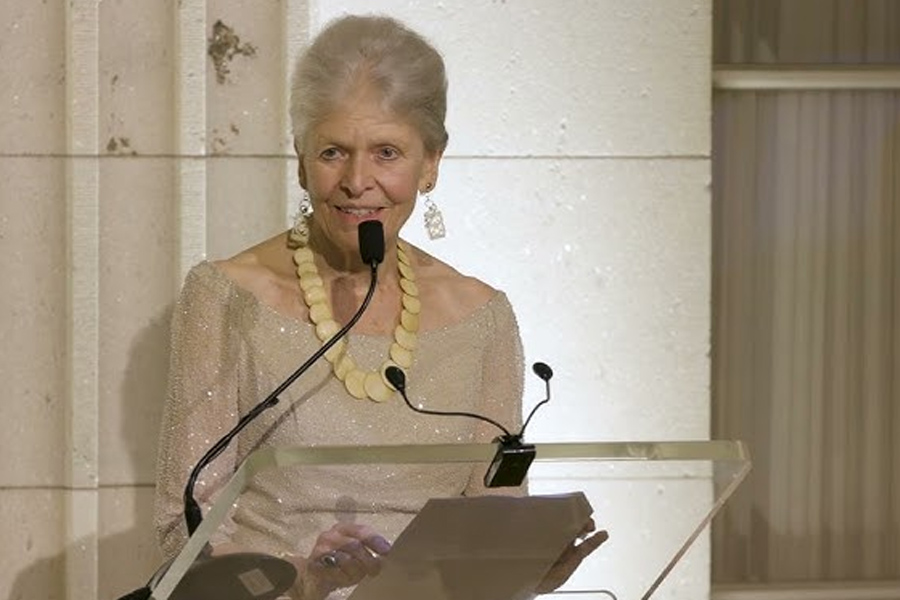
The children and grandchildren as her living legacy
The family is most famously represented by William E. Fichtner. His film and television career raises the family name, but Patricia is still remembered. The public face of a family is typically just the branch that shines. The trunk is older, steady, and hidden.
The story also involves daughters. Margaret, Patricia, Mary, and Pamela complete the immediate family portrait. I don’t want to construct their occupations, daily lives, or personal histories because public documents don’t cover them. Still, their names define the family. They’re not footnotes. Their influence shapes Patricia’s home.
Grandchildren widen that image further. Twelve names in a memorial list indicate a prosperous family. There were certainly reunions, photos, table arrangements, and family routines. Memory moves quickly in this large family. It pass between people like water via hands.
A timeline of the life that can be traced
A life like Patricia A. Steitz’s can be traced in clear markers, even when the fuller texture stays private. I find the timeline helpful because it gives shape to the story without pretending to know more than the record allows.
| Date | Event |
|---|---|
| November 16, 1936 | Born in Buffalo, New York |
| 1954 | Marriage year listed for William Frederick Fichtner and Patricia A. Steitz Fichtner |
| 1956 | Her son William E. Fichtner was born |
| 2009, December 24 | Died in Buffalo, New York, at age 73 |
These points are sparse, but they are enough to outline a life spanning home, marriage, motherhood, and extended family.
The tone of her memory
There is something elegant in the fact that Patricia A. Steitz is not overexposed in public life. Her memory rests in family documentation, which can sometimes be more lasting than fame. Fame blazes. Family endures. One is a firework, the other a lantern. Patricia seems to belong to the latter category.
The public trace of her life is not built from speeches or awards. It is built from names, relationships, and dates. That is a different kind of biography, but not a lesser one. It asks me to read between the lines, to understand that a person can matter deeply even when the record is quiet. Her life appears to have been centered on kinship, continuity, and the long chain of descendants who followed her.
FAQ
Who was Patricia A. Steitz?
Patricia A. Steitz was a Buffalo born woman who later appears in public records as Patricia A. Fichtner after marriage. She is most clearly identified as the wife of William Frederick Fichtner and the mother of five children, including actor William E. Fichtner.
Who were Patricia A. Steitz’s children?
Her children were William E. Fichtner, Margaret L. Fichtner, Patricia A. Jarmuz, Mary H. Barresi, and Pamela R. Fichtner.
Who was Patricia A. Steitz married to?
She was married to William Frederick Fichtner.
How many grandchildren are associated with Patricia A. Steitz in the public record?
The public record names twelve grandchildren: William, Michael, Katherine, Max, Theodore, Olivia, Sam, James, John, Emily, Kelly, and Vangel.
Where and when was Patricia A. Steitz born?
She was born on November 16, 1936, in Buffalo, New York.
When did Patricia A. Steitz die?
She died on December 24, 2009, in Buffalo, New York, at age 73.
Was there much public information about her career?
Very little. The public record centers on family relationships rather than professional history.
Why does Patricia A. Steitz matter in family history?
She matters because her name connects multiple generations. Her life sits at the center of a large family network, and her descendants carry that line forward.