Early Roots and a Young Performer
I see Ruth Covell as one of those rare figures whose life moved like a well rehearsed scene, calm on the surface and full of force underneath. Born in 1909 in Washington, D.C., Ruth Ransom Covell grew up in a family with strong public service ties and then stepped into the theater at an age when most children are still learning the rhythm of their own voice. By 1921, at just 12 years old, she had already made her stage debut in Atlantic City in a play written especially for her. That detail says a lot. She was not drifting toward performance. She was being drawn into it like iron to a magnet.
Her early years suggest a life shaped by discipline and ambition. She graduated from Hollywood High School in 1927, then studied acting at the Marta Oatman studio in Los Angeles. In 1928, she joined the permanent company at the Pasadena Playhouse, a place that became one of the most important anchors of her career. The stage was not simply a career path for Ruth. It was home ground, a proving field, and later a classroom.
A Career Built in Live Theater
The live theater world of Ruth Covell required every gesture and line to land neatly and breathe. She appeared in almost 60 Pasadena Playhouse shows, demonstrating depth, endurance, and trust. Stage careers like that lack vitality. The fire is long.
A summer stock season in Wichita, Kansas, in 1929 broadened her early experience. She performed with the Eighteen Actors in Los Angeles in the 1940s and 1950s. Charles Lane produced her 1953 Stage Door Summer Stock Company appearance. That detail ties her personal and professional lives together. The theater was more than her workplace. Her world intersected there.
Later, she became a teacher, which felt natural. She taught at the Pasadena Playhouse School of the Theater and Perry-Mansfield Summer Theater Workshop from 1957 to 1960. Her UCLA Extension teaching began in 1961. She retired from UCLA Theater Arts in 1973 after joining two years later in 1963. She continued mentoring actors individually, indicating she never left the room. She only reshaped her influence.
In 1973, she published Scenebook for Student Actors. That work reveals her as more than a performance or teacher. She crafted tools. She helped others find their feet on a stage where confidence may waver like a chair on an uneven floor.
Charles Lane and the Marriage That Framed Her Personal Life
Ruth Covell married actor Charles Lane in 1931, and the marriage lasted for about 70 years. That span is not just long. It is architectural. It forms the frame around a large part of her adult life.
Charles Lane was widely known as a character actor, but in Ruth’s story he is also her partner in a shared theatrical universe. Their lives intersected through performance, production, and home life. The two seem to have built a partnership that was steady enough to survive the unpredictable weather of show business. In an industry often described as a storm, their marriage reads more like a house with deep foundations.
Ruth and Charles had children, and the names most consistently connected to the family are Tom Lane and Alice Deane Lane. The family structure adds a human scale to Ruth’s life. She was not only an actress, teacher, and theater professional. She was also a wife, mother, and later grandmother. In portraits of public figures, family can sometimes seem like a footnote. In Ruth’s case, it is part of the main text.
Leon Claude Covell: Her Father and a Public Service Legacy
Ruth’s father was Leon Claude Covell, born in 1877 and later a Vice Admiral in the U.S. Coast Guard. That fact alone gives her family background a strong institutional gravity. He entered the Revenue Cutter Service in 1900 and rose through a distinguished career marked by command, responsibility, and national service. He was not a stage figure. He belonged to a very different theater, one of ships, orders, and formal duty.
For Ruth, that background may have contributed to the discipline and poise that later defined her own life. A household shaped by military service often leaves behind more than rank and ceremony. It leaves structure. It leaves an expectation that work should be done with care. I can imagine that kind of foundation helping a young performer develop the focus needed for long rehearsal days and exacting performance standards.
Ida Hamilton Tretler Covell: Her Mother and Family Anchor
Ruth’s mother was Ida Hamilton Tretler Covell. Compared with Leon Claude Covell, Ida appears more quietly in the available family record, but that does not make her less important. In many families, the quieter parent is the one who steadies the room. Her presence is part of the family structure that shaped Ruth and her siblings.
Even when a mother leaves fewer public traces, her role is often visible in the outline of the child who follows. Ruth’s later life suggests a person who could organize effort, teach patiently, and sustain commitment over decades. Those are not casual traits. They are usually learned, inherited, or both.
Elizabeth Rieger Covell: A Sister in the Same Family Line
Ruth’s sister was Elizabeth Rieger Covell, born in 1911 and deceased in 1977. Elizabeth belongs to the same family story, one marked by public duty, early 20th century American life, and sibling ties that likely carried through childhood and adulthood. In any family, a sister can be a witness to the earliest versions of a person. She knows the first performances before the stage lights ever come on.
Although Elizabeth is not described in great public detail, her place in the family matters. She helps complete the picture of Ruth’s household, showing that Ruth was part of a larger family network rather than an isolated individual who appeared onstage fully formed.
CDR Leon Claude Covell Jr.: Her Brother
Ruth’s brother was CDR Leon Claude Covell Jr., born in 1914 and deceased in 1995. His name continues the family line with a clear sense of inheritance. Like his father, he carried the Covell name in a public and formal way. The title and birth year place him in the same generation as Ruth, close enough to share family memory and broad enough to suggest distinct life paths.
A brother often becomes a counterpoint in a family narrative. Where one child goes toward theater, another may go toward service, administration, or a different kind of duty. That contrast can sharpen the whole family portrait. In Ruth’s case, it highlights how varied the Covell children’s lives may have been while still remaining tied to the same roots.
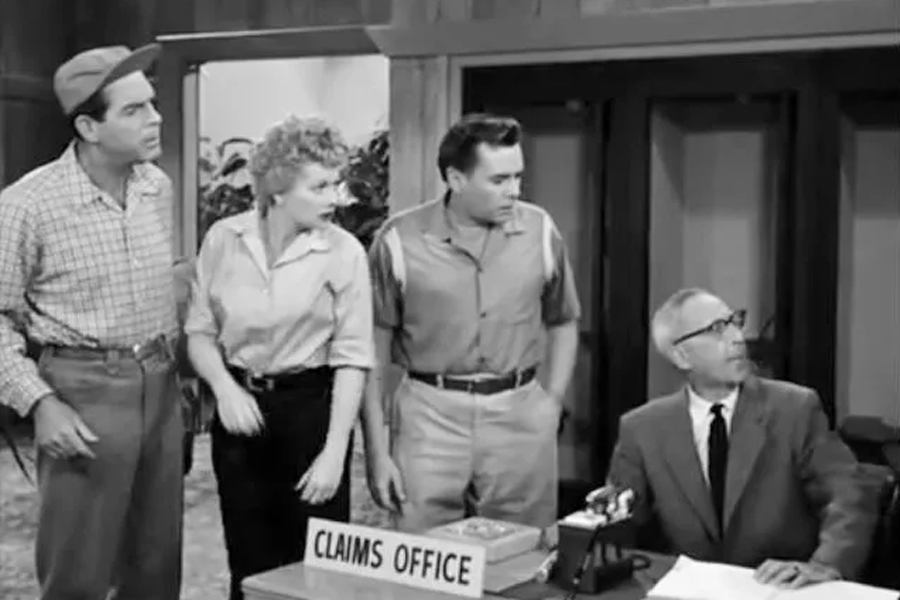
Tom Lane and Alice Deane Lane: Ruth as Mother
Son of Ruth Covell and Charles Lane, Tom. He is explicitly named in the family record, giving him weight. After Ruth’s long career in theater, he continues the family legacy.
Alice Deane Lane was their daughter. Her name is elegant and follows the family’s formal naming tradition. Tom and Alice portray Ruth as a professional and a household leader. That equilibrium intrigues me. A UCLA acting instructor helped construct a family that lived through everyday days, holidays, and private discussions.
Granddaughter Lucy Graves and the Later Family Line
Ruth was also survived by her granddaughter, Lucy Graves. A grandchild changes the texture of a family story. It means the family narrative has moved into another generation, carrying memory forward like a lantern handed from one person to the next.
Lucy Graves represents the living extension of Ruth’s legacy. That legacy is not limited to theater, though theater is central. It also includes the quiet inheritance of character, discipline, and family continuity.
FAQ
Who was Ruth Covell?
Ruth Covell was a stage actress, theater teacher, and UCLA professor whose life centered on live performance and education. She began acting as a child, built a long career with the Pasadena Playhouse, and later taught generations of students.
Who was Ruth Covell married to?
She was married to actor Charles Lane. Their marriage began in 1931 and lasted for about 70 years, making it one of the defining relationships of her adult life.
Who were Ruth Covell’s children?
Her children were Tom Lane and Alice Deane Lane. They are the family members most clearly connected to her in the available records.
Who were Ruth Covell’s parents?
Her father was Leon Claude Covell, a Vice Admiral in the U.S. Coast Guard. Her mother was Ida Hamilton Tretler Covell.
Did Ruth Covell have siblings?
Yes. Her sister was Elizabeth Rieger Covell, and her brother was CDR Leon Claude Covell Jr.
What was Ruth Covell best known for?
She was best known for her stage work, her long connection to the Pasadena Playhouse, her teaching career at UCLA, and her book Scenebook for Student Actors.
What makes Ruth Covell’s life story notable?
Her life combines early artistic talent, long professional endurance, family continuity, and a rare shift from performer to teacher. She did not just act in a world of stories. She helped train the next generation to tell them.